For many people recovering from stroke, the goal is not simply to walk better. It is to walk somewhere that matters again. Chartered Rehabilitation Physiotherapist Shena Lee-Anthony explains why outdoor mobility is a vital part of stroke rehabilitation in Maidenhead and Windsor.
Recovering from a stroke is about far more than improving strength or completing an exercise programme.
For many people, the things they most want to regain are much more personal: walking through a local park, getting outside independently, strolling beside the river, feeling confident enough to leave the house, being part of everyday life again.
At Whole Life Rehab, this is central to The Heal Well Method. We look beyond the physical effects of stroke and consider the whole person: their function, health, confidence, emotional wellbeing and, importantly, the life they want to return to.
For some of our clients in Maidenhead and Windsor, one of the most rewarding moments in rehabilitation is the day we move beyond practising walking indoors and they achieve something that once felt a very long way away: walking through the park or alongside the river again.
And that is not simply a nice day out.
It is rehabilitation.
From Learning to Walk to Walking Somewhere That Matters
After a stroke, physiotherapy often begins with the fundamentals: sitting balance, standing, transferring, strengthening, coordination and relearning how to walk safely.
These things are essential. But ultimately, most people do not want to become better at walking up and down their hallway.
They want to use their walking to live their life.
That means gradually progressing rehabilitation into the environments people encounter in the real world.
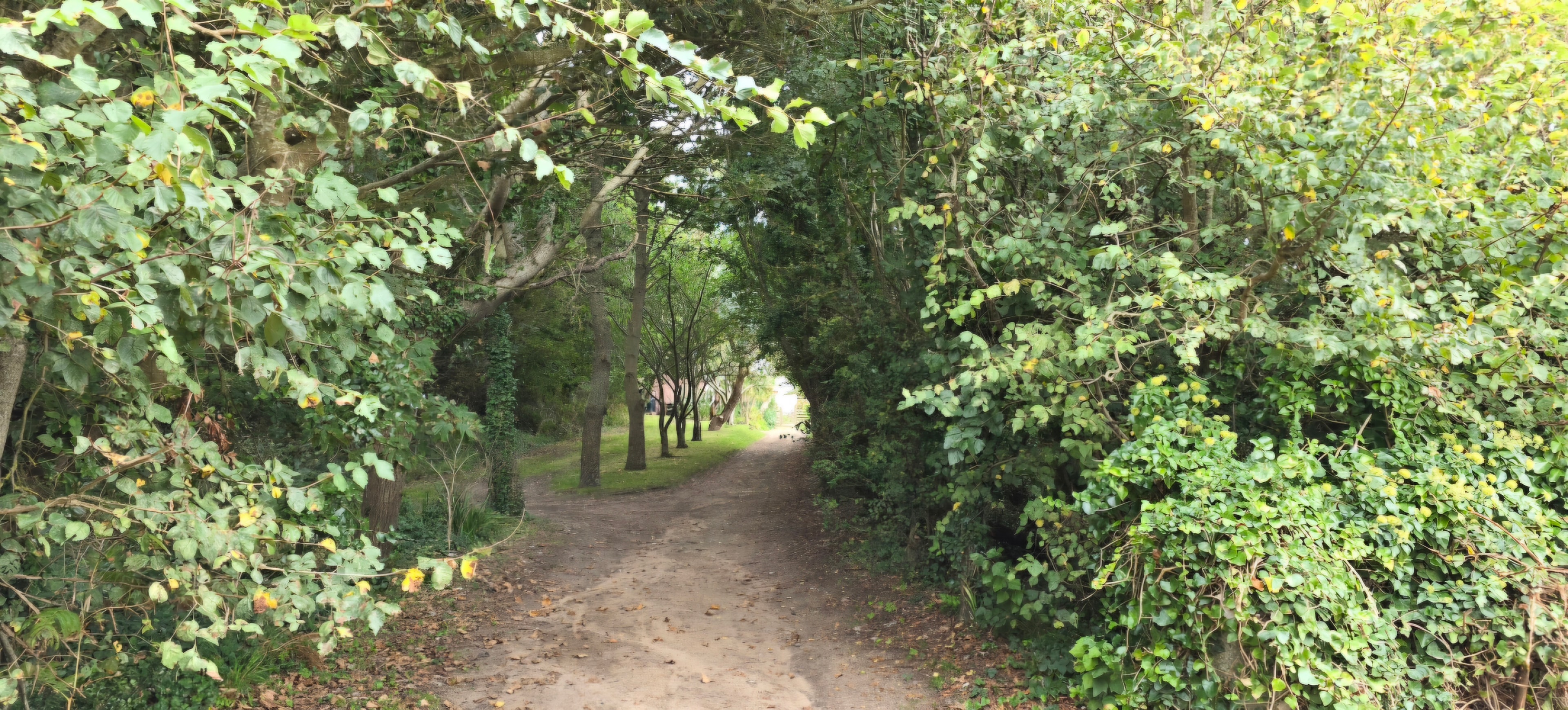
A woodland path or park presents very different demands from a flat floor at home. There may be grass, slopes, gravel, tree roots, uneven surfaces, changing gradients and obstacles to negotiate.
Walking outside can therefore challenge several aspects of mobility at once, including:
- Balance and postural control
- Proprioception and awareness of where the body is in space
- Lower-limb strength and endurance
- Coordination and foot placement
- Adapting walking to different surfaces
- Negotiating obstacles and changes in direction
- Cardiovascular fitness
- Confidence and independence
Of course, outdoor walking needs to be appropriate for the individual and introduced at the right stage of their recovery. But when it is safe to do so, taking rehabilitation into real-world environments can be an important bridge between being able to walk and being able to live independently again.
The Emotional Side of Walking Again
There is another part of outdoor rehabilitation that can be harder to measure.
Joy.
Imagine having experienced a significant stroke and spending weeks or months focused on what your body can no longer do.
Then imagine reaching the point where you can walk through a beautiful park again.
For the physiotherapist, we may see improved balance, endurance, gait quality or confidence.
For the person, the experience can mean something much bigger: "I am getting my life back."
That sense of achievement matters.
Stroke recovery can be physically and emotionally demanding. Rehabilitation requires repetition and persistence, and motivation can understandably fluctuate.
Meaningful goals can give people a reason to keep going.
The Benefits of Being Outdoors During Stroke Recovery
The natural environment can add another dimension to rehabilitation.
Time outdoors provides sensory stimulation that simply is not available when repeatedly walking along the same corridor. The brain has to process changing visual information, surfaces, sounds, distances and obstacles while coordinating movement.
There are also broader wellbeing benefits associated with spending time in green and natural environments, including supporting mood, reducing stress and encouraging physical activity.
For someone recovering from a stroke, this combination can be particularly valuable.
A walk is not only working the legs.
It can be challenging the brain, cardiovascular system, balance, attention, confidence and emotional wellbeing simultaneously.
It can also begin rebuilding something stroke can take away very quickly: trust in your own body.
Beautiful Places to Work Towards in Maidenhead and Windsor
We are fortunate to have some lovely places to walk in and around Maidenhead and Windsor, from local parks and green spaces to beautiful stretches along the River Thames.
For someone without mobility difficulties, walking beside the river may seem completely ordinary.
After a stroke, it can represent an extraordinary achievement.
That is why we can use these everyday activities as meaningful rehabilitation goals.
The goal might begin very small: standing outside the front door, walking to the end of the driveway, reaching a nearby bench or managing a short section of a park.
Over time, that might progress to walking further, tackling more challenging surfaces or eventually enjoying a walk beside the river with a partner, friend or family member.
Rehabilitation should lead somewhere.
And sometimes, quite literally, it leads back to the places someone loves.
The Heal Well Method Approach to Stroke Recovery
This is where The Heal Well Method differs from an exercise-only approach to rehabilitation.
Following a stroke, we do not simply ask: "Which muscles are weak?"
We also need to ask: "What is stopping this person from living well again?"
Physical function is part of that picture, but so are nutrition, sleep, energy, confidence, emotional wellbeing, lifestyle, social connection and a person's sense of purpose.
Someone may technically have the physical ability to walk outside but still be frightened of falling.
Another person may have improved strength but lack the endurance to reach somewhere meaningful.
Someone else may have become socially isolated and lost confidence after spending months largely at home.
The Heal Well Method brings these different elements of recovery together.
Our aim is not simply to help someone perform an exercise better.
It is to help them Recover Strength. Restore Health. Rebuild Confidence.
Rehabilitation That Connects Back to Life
One of the most rewarding things about working with people in their own homes and communities is being able to make rehabilitation relevant to their actual lives.
We can practise the stairs they need to climb. The pavement outside their house. The route to their local shop. The park they used to visit. And, when appropriate, the riverside walk they would love to enjoy again.
These are not extras added onto rehabilitation once the "real physiotherapy" has finished.
They are what the physiotherapy has been working towards.
Because successful stroke rehabilitation should not end with being able to complete an exercise.
It should help someone return, as far as possible, to living their life.
And sometimes one of the clearest signs of recovery is something beautifully simple: walking through the park again, feeling the ground beneath your feet, looking at the trees around you and realising just how far you have come.
Stroke Rehabilitation at Home in Maidenhead, Windsor and Surrounding Areas
Whole Life Rehab provides specialist home visit physiotherapy and whole-person rehabilitation for people recovering from stroke in Maidenhead, Windsor and surrounding areas including Berkshire, Buckinghamshire and Surrey.
Our approach combines rehabilitation physiotherapy with the principles of The Heal Well Method, supporting not only mobility and physical function but the wider factors that can influence health, confidence, independence and quality of life.
If you or someone you care for is recovering from a stroke and would benefit from specialist home visit physiotherapy, we would be glad to have a conversation about how we can help.
Recover Strength. Restore Health. Rebuild Confidence.
Explore Topics
Written by
Shena Lee-Anthony
Shena Lee-Anthony is a Chartered Rehabilitation Physiotherapist and Certified Health & Wellbeing Coach. With nearly 20 years of clinical experience, she founded Whole Life Rehab to help people rebuild strength, confidence and independence after illness, injury, surgery or burnout. She supports clients across Maidenhead, Windsor and the surrounding areas.